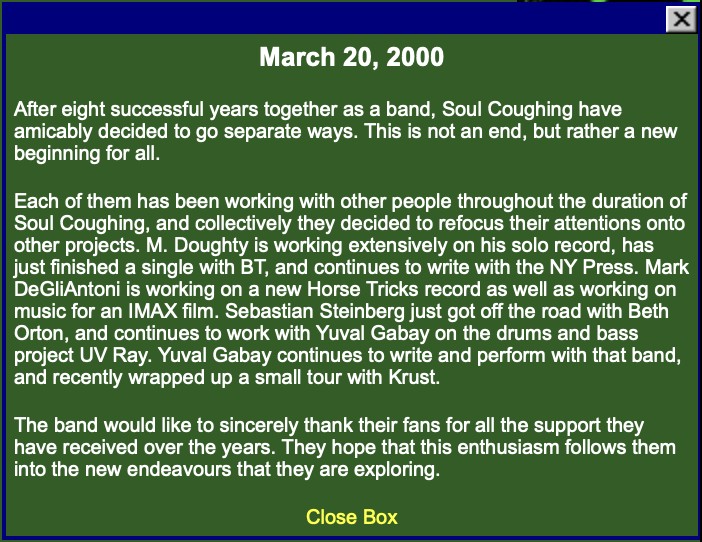
The band's statement went out on March 20, 2000; Spin and NME picked it up on March 21 and 22. "After eight successful years together as a band, Soul Coughing have amicably decided to go separate ways," it read. "This is not an end, but rather a new beginning for all." It went on to list everyone's next moves: Doughty's solo record, a finished single with BT and his New York Press column; a new Horse Tricks record and an IMAX score for degli Antoni; Steinberg just off the road with Beth Orton and working with Gabay in the drum and bass duo UV Ray; and Gabay fresh from a small tour with Krust. The story behind it was more complicated.12
What Was Already Pulling Apart
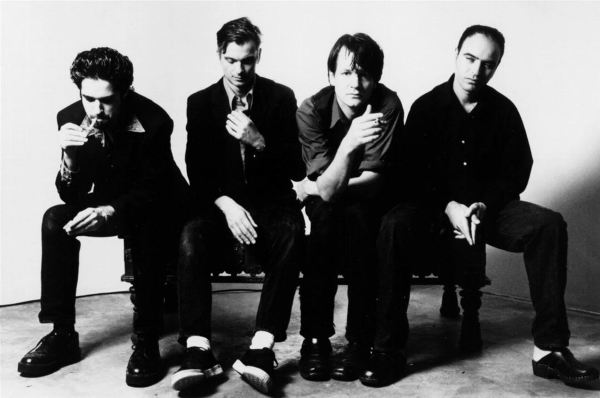
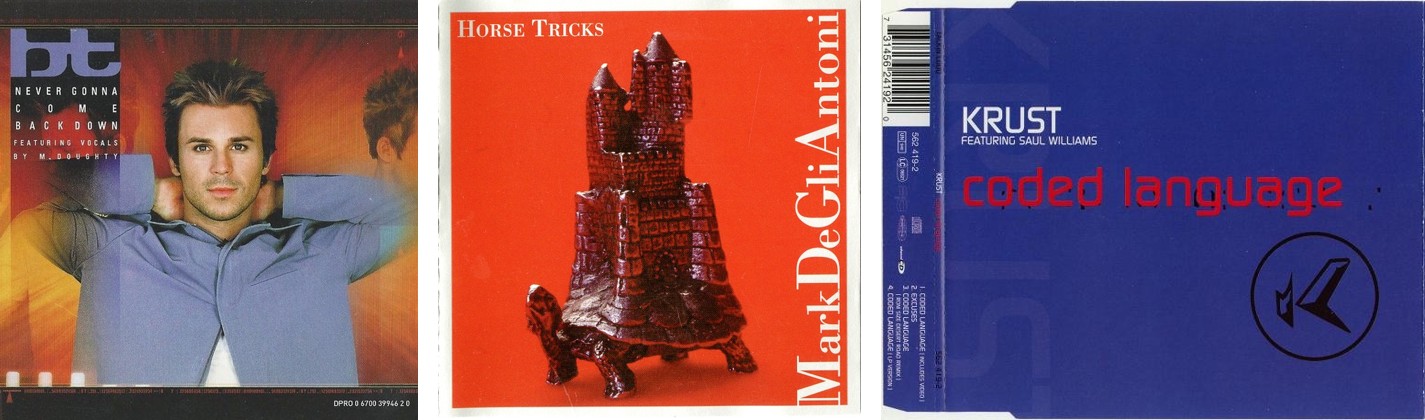
By 1999 the band was touring El Oso while each member had one foot elsewhere. Gabay was drumming for Firewater and moving toward the London drum and bass world. Steinberg was taking side work, and by early 2000 was on tour with Beth Orton. Degli Antoni released his solo album Horse Tricks on John Zorn's Tzadik label in 1999, with guest spots from all three bandmates and Elliott Smith, and was moving into film scoring. Doughty sang on BT's "Never Gonna Come Back Down" (1999) and had Skittish sitting on the shelf.
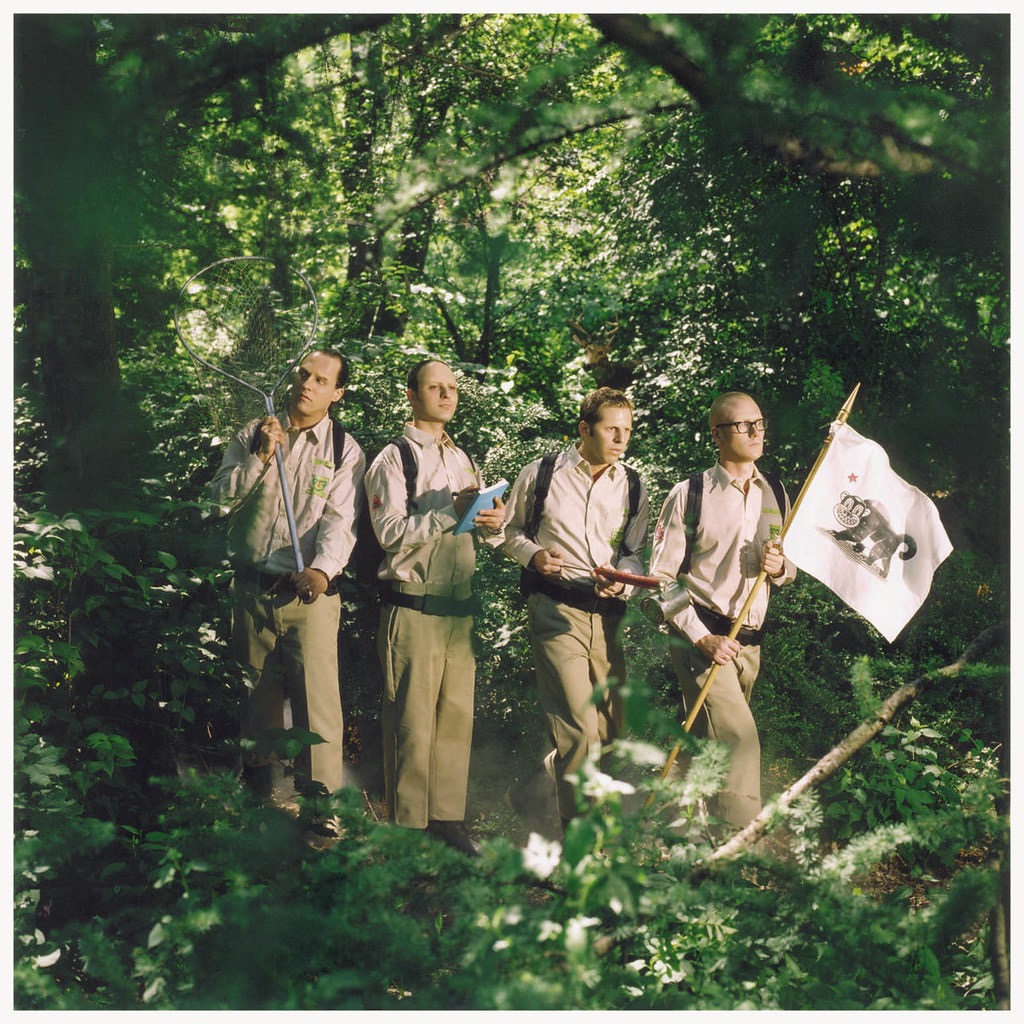
The side credits piled up that year. Gabay drummed for John Flansburgh's Mono Puff and on They Might Be Giants' "Token Back to Brooklyn," from the download-only Long Tall Weekend. Steinberg turned up on Cibo Matto's Stereo Type A. Doughty put "The Twenty Sevens" on the spoken word compilation What's the Word and revealed on Howard Stern's show that he was "Dirty Sanchez," the anonymous music-business columnist at the New York Press, and he and Steinberg remixed Citizen King's "Better Days" under the name McMonkey and Fries.3 Even long-time soundman Lars Smith had stopped mixing them in early 1999.
The business side was stuck too. Slash had been sold to London Records, which went to Universal along with PolyGram and by early 2000 looked headed to Warner Bros. In February 2000 Doughty wrote that the band was between album cycles and renegotiating its deal, and that it had taken two months just to figure out who to call about it.4
The Two Stories
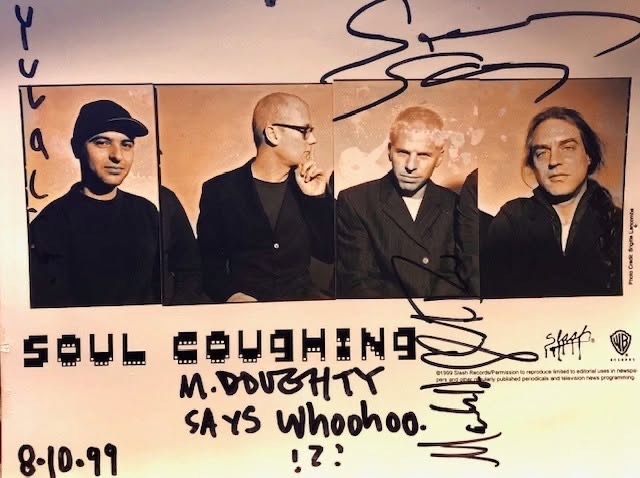
Almost every account names the same fault line: songwriting credit and publishing money. Doughty's position, as he put it to The Pitch in 2012, was that many parts came from jamming, but a song is what gets sung, and he was the only one writing what was sung.5
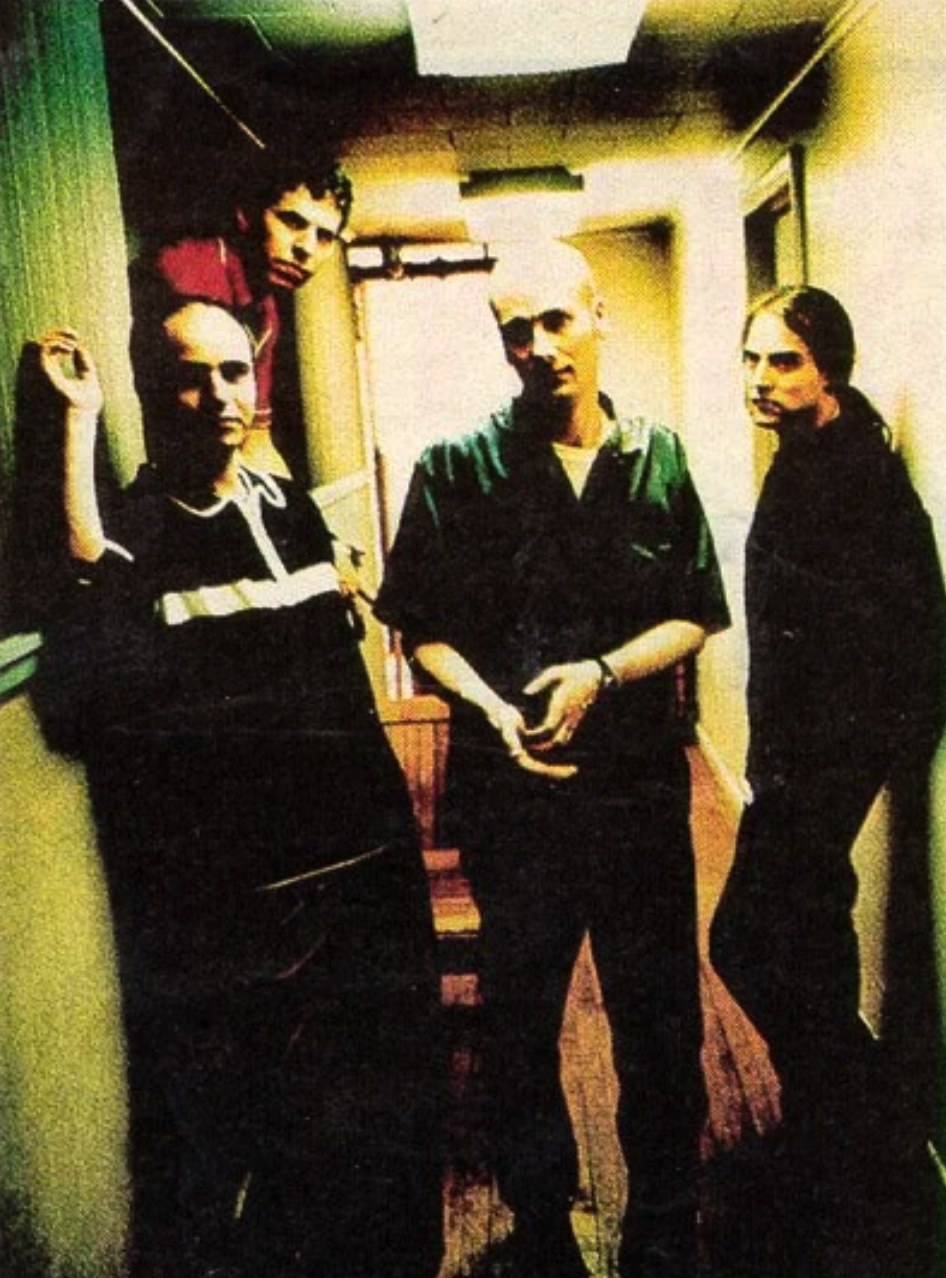
The others saw the band as the writer. Degli Antoni told The Pitch that he would start a shell of something in rehearsal, Steinberg and Gabay would build a whole rhythm world around it, he'd drop his original idea for something new, and Doughty would start riffing words. That, he said, was how "Super Bon Bon" and many other songs came together, which is why he never claimed to have "written" a song even when he started it. Both sides were describing the same rehearsals; they disagreed about what to call what happened in them.5
Doughty has since written openly about struggling with addiction in those years. The others have said the drugs were only part of what went wrong, and all four have described a band that was worn out by the end of 1999.
The Phone Call
Doughty told Electric Literature in 2012 that the moment itself was almost accidental. Their manager had called to fire them; Doughty said, as he had many times before, that he hated it and was done. This time the manager agreed it was a good idea, and Doughty hung up and called the other three to end the band. Some later write-ups instead attribute the split to degli Antoni leaving to focus on family, and some date it to May 2000; the band's own statement is dated March 20, 2000, which matches the newsgroup's first stunned thread that day.67
Immediate Fallout
Their last documented show was December 4, 1999 at New York's Bowery Ballroom, a benefit for cartoonist Danny Hellman's legal fund with Girls Vs. Boys, Furious George and Hangadogs also on the bill.3 A fan's newsgroup post three days later confirms it, calling the show "pretty damn awesome" and wondering why nobody else had mentioned it; nobody knew it was the last one. The deal with Slash and Warner Bros. was the band's, so when the band ended, so did the deal; Doughty ended up putting out his first solo record himself. NME's announcement story listed the next steps as Doughty's solo debut, a film score for degli Antoni and Steinberg's touring with Orton.27
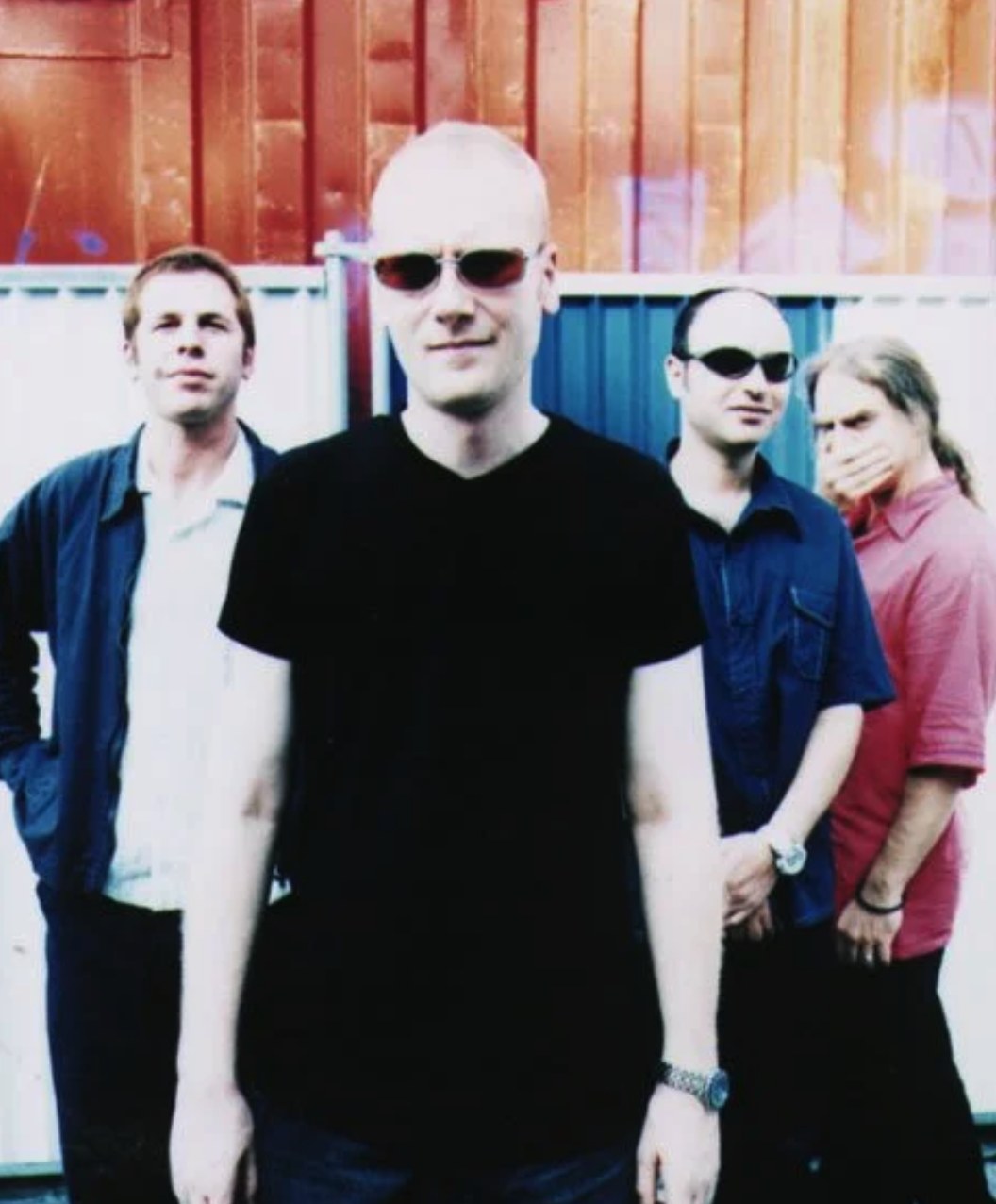
The newsgroup's first breakup thread, posted the day of the statement, was titled "I Feel Like I Just Got Hit In The Gut." It opened with a fan pasting the statement over a plea of "Say it ain't so," and the next day one fan suggested a group hug and said he was going to "have a good cry now." Others worried about practical things, like whether the websites and the merch store would survive.7
The last new Soul Coughing music of the era came out as Liquid Audio downloads through SCUG in early 2000: "Needle to the Bar" with Casual, the "Coffee Song" with Gabay singing, and "Freelancer," a 1996 to 1997 live rarity that degli Antoni digitized for the occasion. Its lyrics resurfaced weeks later as BT's "Never Gonna Come Back Down" with Doughty on vocals, which landed on the Gone in 60 Seconds soundtrack and Entertainment Weekly's list of the ten best singles of 2000. The songs also kept earning: in January 2000 "White Girl" was running in Beck's beer ads on ESPN, alongside new mixes degli Antoni made for the campaign,3 and "Super Bon Bon" was reportedly a bumper on Rush Limbaugh's show.8
Doughty was already playing solo. At a November 1999 show covered by SonicNet, a fan asked him to "shake your bon bon," and he answered that the fan didn't understand: "That song was on the radio, on MTV. That song was my life." He tried out new songs, including one he called "The Pink Life." That winter he took out what he called the "littlest tour ever," two West Coast dates and four in Europe: a literary evening in Antwerp alongside Flemish authors, the small upstairs room at Amsterdam's Paradiso while The The played the main hall, Birmingham, and London's Water Rats, with Pete, the band's European road manager since 1994, running the whole thing. He had also been recording on a cassette eight-track, a batch of songs former tour manager Gus nicknamed "Sebadoughty."43 At an April 2000 solo show, a few weeks after the announcement, he opened with "So my band broke up and none of you called me."9
By the time the statement went out, everyone was already working elsewhere: Steinberg was touring Australia and New Zealand with Beth Orton (including dates opening for Beck), Gabay was on the road with Krust and all over Krust's album Coded Language, and degli Antoni was on John Scofield's Bump (March 2000) and booked for live dates with him.
The statement had promised a new beginning for all, and everyone had one lined up. Getting all four back on one stage would take until 2024.
-
Spin. ↩︎
-
"The News," The 5% Nation (soulcoughing.com), July 1999 to March 2000, via the Wayback Machine. ↩︎↩︎↩︎↩︎
-
M. Doughty, "Ricky Don't Lose My Number," New York Press, vol. 13 no. 7, February 2000. ↩︎↩︎
-
"Mike Doughty's Soul Coughing demons still haunt him," The Pitch, March 2012. ↩︎↩︎
-
Mike Doughty interview, Electric Literature, May 2012. ↩︎
-
alt.music.soulcoughing newsgroup, 1996 to 2013, via UsenetArchives.com. ↩︎↩︎↩︎
-
Entertainment Weekly. ↩︎
-
SonicNet chat with Doughty and degli Antoni, September 12, 1995, and SonicNet show coverage. ↩︎