The second album, released July 9, 1996, was tighter, shorter and more song-shaped than Ruby Vroom, and it produced the band's best-known song, "Super Bon Bon." It was also where the internal fault lines first showed up in public.
Choosing Kahne
The songs for the next record were already getting a workout on the road. Ahead of a Chicago show at the Metro on September 22, 1995, Gabay told the Chicago Tribune that about half the set was new and they had two dozen songs to choose from, because "live is where you can see audience reaction." The idea was to finish the tour, rehearse for a couple of weeks and go straight into the studio.1
The band was unable to work with Tchad Blake again,2 so they hooked up with David Kahne (Fishbone, the Bangles, later Sublime and the Strokes). Kahne produced most of it; Steve Fisk did two tracks, "White Girl" and "4 Out of 5," and the band self-produced one, "How Many Cans?"3
Doughty's memoir tells it from his side. He gives the producer a pseudonym, but the details line up. He met with Kahne before hiring him, rambled about George Jones records, and liked that Kahne made pop songs with odd sounds hidden inside them. The rest of the band was less sold and mostly mumbled and frowned about it. They tracked everything live at the Power Station, which Doughty remembers taking two or three weeks, and he was thrilled with the tight, new wave feel they got. Then, after a break in mixing to record a soundtrack song, the band started re-recording about half the songs with someone else. Kahne found out and had to show up and watch.4
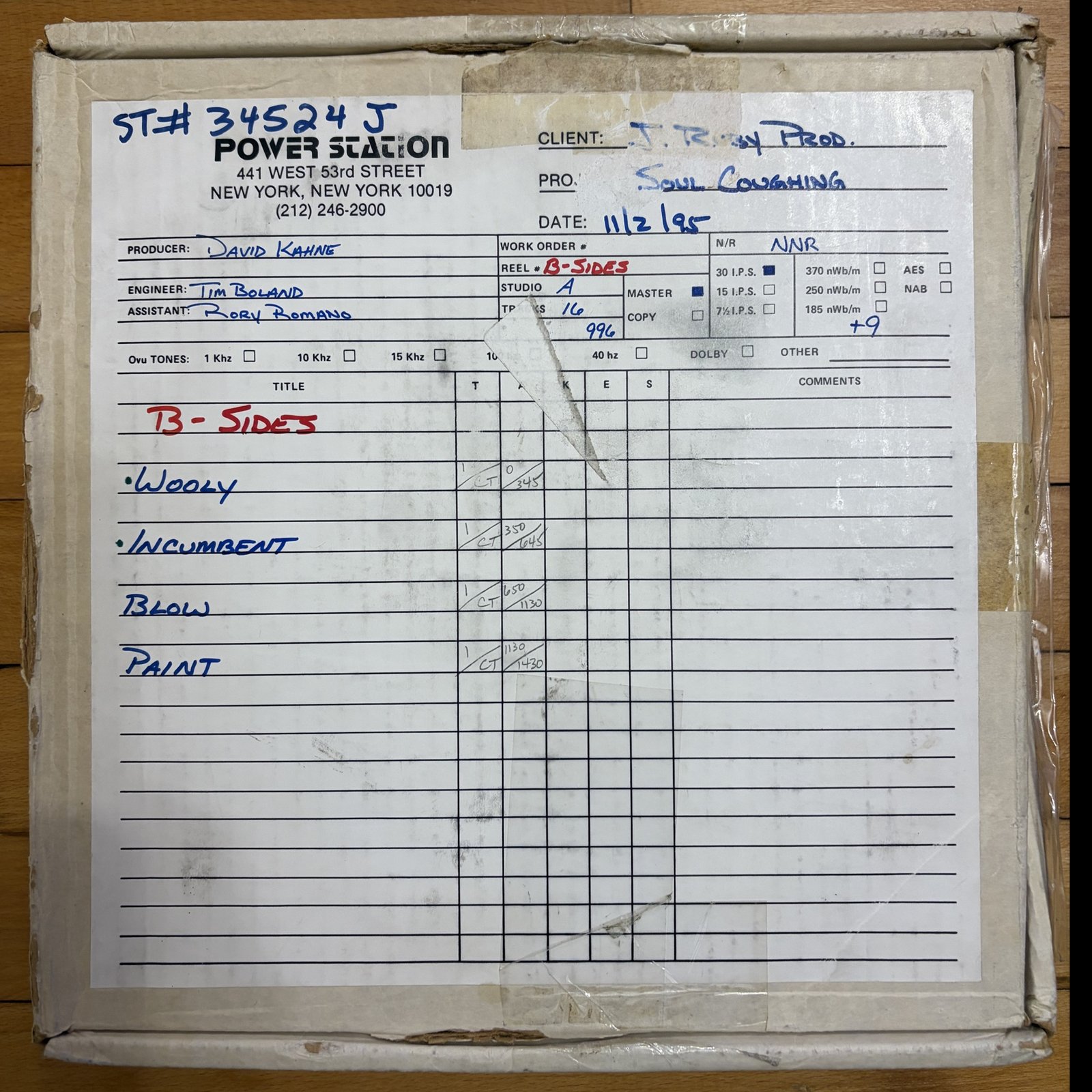
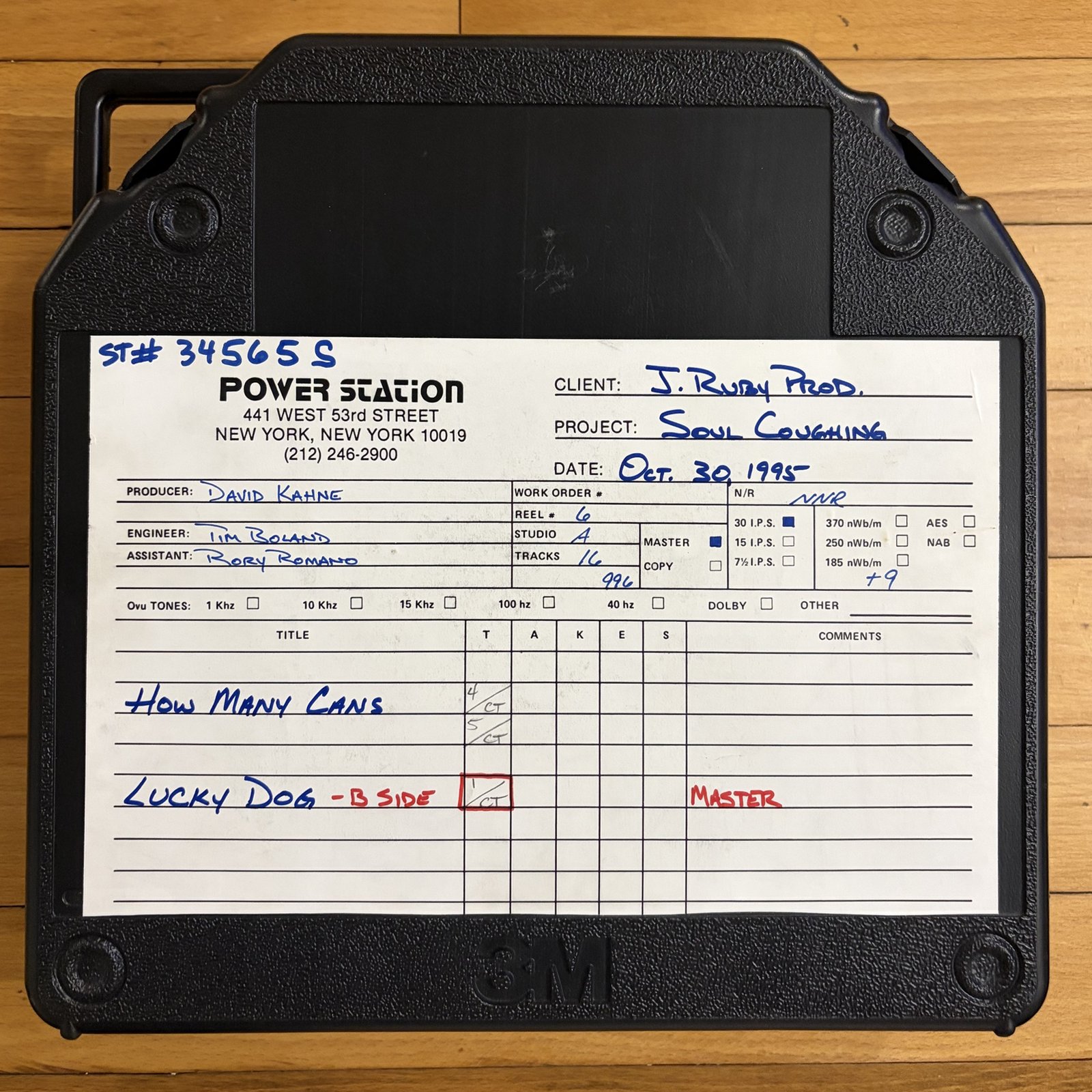
Tracking at the Power Station in Manhattan took about two weeks, and Doughty was thrilled with it. The tape boxes put those sessions in late October and early November 1995, in Studio A with Tim Boland engineering and Rory Romano assisting, on 16-track tape running at 30 ips. Mixing was split among Kahne, Chris Shaw and Blake, and Blake stepped in partly because Steinberg briefly quit the band during the process. It turned into a bake-off. About half the album and most of the B-sides were mixed by at least two people: Kahne at Sony, Sear Sound and the Power Station, Blake partly at Sunset Sound Factory in Los Angeles, and Bil Emmons at Sear on the songs he had engineered there. Gabay later told a reporter that the second record is always the hardest and that everyone arrived carrying a big sack of puppies, a nod to the Hello CD track. Gabay's own account, from a 1997 St. Louis Post-Dispatch interview, is that the basic tracks went smoothly and took about half the time they'd planned, roughly a week. Then came the mix. The band is particular about how it sounds, he said, and they weren't happy with what they were hearing, so they kept trying another mix and another mixer until they were. "It was a very tough record to make," he said.56
As of early January 1996 the album still had no title. M. Doughty phoned the Cleveland Plain Dealer to say the record was nearly finished and due in mid-March, with more than twenty songs recorded with Kahne and Fisk and the running order still up in the air.7
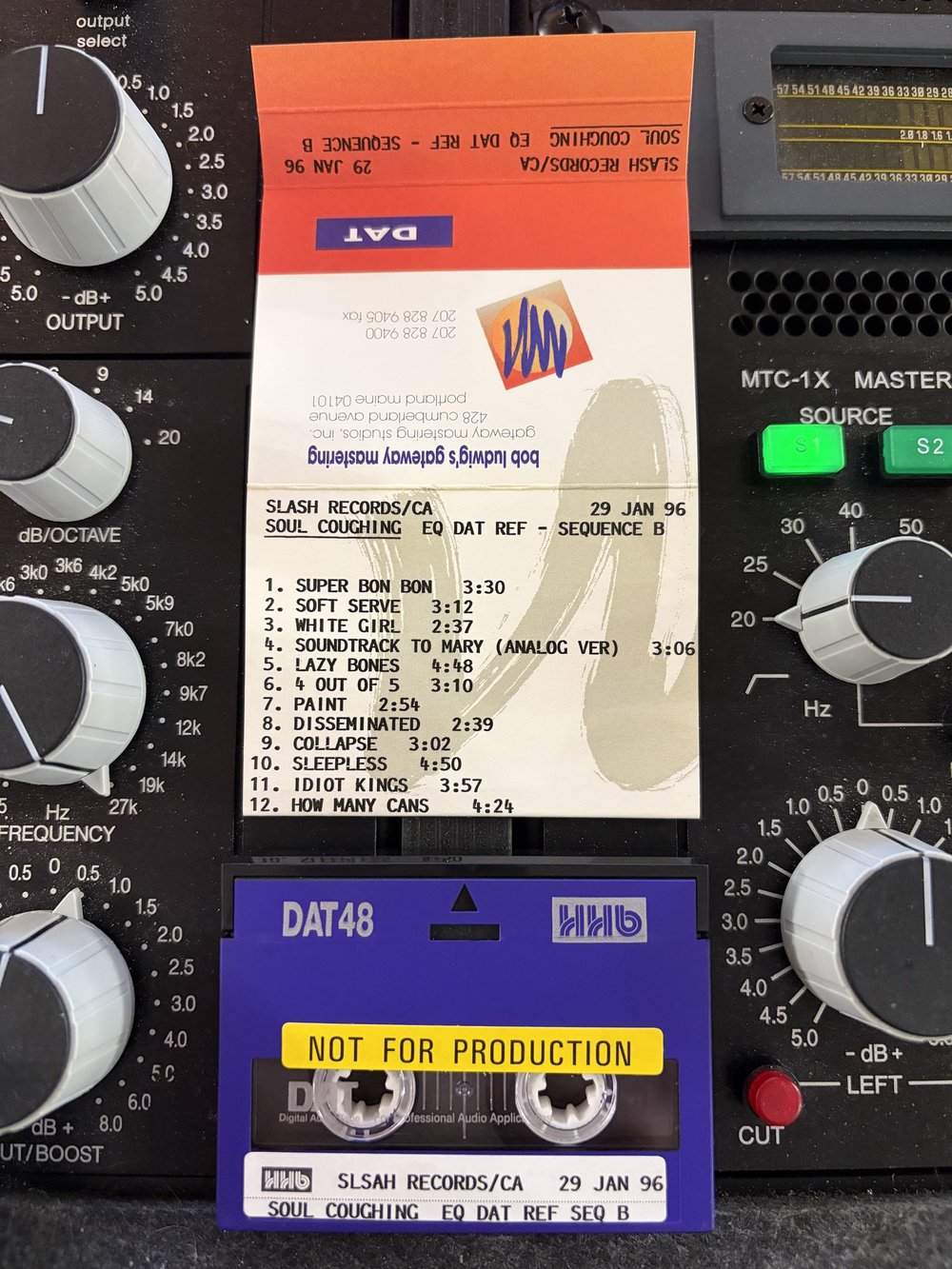
The mastering reference tape survives too. It came from Bob Ludwig's Gateway Mastering in Portland, Maine, dated January 29, 1996, and is labeled "EQ DAT Ref, Sequence B," with a yellow "NOT FOR PRODUCTION" sticker on the cassette. Presumably there was a Sequence A. All twelve songs are in the order the album would ship with, "Super Bon Bon" (3:30) through "How Many Cans?" (4:24), and track 4 is marked "Soundtrack to Mary (Analog Ver)." That is more than three months before the original May 14 release date, and well before the July 9 date the album ended up with.
A DAT of extra mixes shows the same bake-off from another angle. It holds an unreleased "Crowd Me Out Edit" of "4 Out of 5," mixed at Sear Sound and dated November 26, 1995, along with a vocal-down mix and an instrumental from that session. "White Girl" (also November 26) and "Soundtrack to Mary" (January 1996) are on it too, each as a main mix with a matching instrumental.
They cut more than the album. On October 30 they tracked a different version of "How Many Cans?" from the one that made the record, and "You Lucky Dog," marked as a B-side. On November 2, a reel labeled "B-Sides" got "Woolly Imbibe," "The Incumbent," "Blow My Only" and "Paint." "Paint" made the album anyway, "Blow My Only" ended up a Japanese bonus track, and a song called "The Incumbent" finally surfaced three years later on El Oso, by then fused with another song.
Kaufman caught the band in Chicago for two sold-out nights at the Double Door, a week after Irresistible Bliss hit shelves, with the crowd already chanting the choruses back. By the magazine's count they had played 190 dates in a single year (it said 1994, though the gigography suggests 1995 is the likelier year) and had just traded the van for a slightly used tour bus, its front lounge stacked with Otis Redding, Sam Cooke, Desmond Dekker, Duke Ellington, Sun Ra and jungle compilations they had taken as payment for an in-store with no monitors and no PA. Doughty worked "Wonderwall" into "True Dreams of Wichita" ("after all, you're my Tylenol / my McCartney, Paul"), played the first night with an impacted wisdom tooth, and had it pulled the next afternoon between an in-store and the show, crediting the second night to a substance that "begins with an 'n' and ends with an 'ovacane.'"
Steinberg and Gabay were candid about the record. Ruby Vroom had been "a whole new language for a band," Steinberg said; this time they had figured out their sound "and wondered what it would be like to work with someone who was very 'professional.'" Both admitted Kahne's staff-producer approach didn't mesh with the experimental vibe they had chased with Blake, but they rose to it. "I think the sound has changed," Steinberg said. "It's deepened... this one is darker and more refined." Degli Antoni maintained the record held as many samples as Vroom, if not more, just home-brewed and less obvious rather than lifted from his record collection, even as some critics were already slapping it with the "sell-out pop record" label.
The Songs
Doughty told Rolling Stone in 1996 that everything he writes is an open letter to an ex-girlfriend, and admitted he sometimes forgets to change the details. He expected to be able to call "White Girl" an amalgam, he said, but it had turned out to contain so many specifics about one former girlfriend that he would have some explaining to do. On 120 Minutes in January 1997, Doughty described the album's lyrics as "paranoid love songs," more about resistance than bliss. He had been dumped while the band was on the road, and back in a cold, drizzly New York with the phone ringing, he said, he sat in his apartment in a fetal position with a notebook. That, he said, is where the record came from. He added that the band isn't a somber goth act and that the lyrics are mostly about how the words sound.8
Gabay told the Houston Press the shorter forms came straight from playing big rooms night after night: large halls punish long gestures. Only three of the twelve tracks run past four minutes ("Lazybones," "Sleepless" and "How Many Cans?"), and the whole record clocks in around 45 minutes. He also described rescuing "Collapse," a song they had dropped from the set because it only worked once, by writing a new beat and rebuilding the bass and vocal around the old melody.9
Degli Antoni kept his sampling habits. He hinted to SCUG (Soul Coughing Underground) in 1996 that a Daryl Hall sample was hidden somewhere on the record and refused to say where. Studio legend Walter Sear plays theremin on "4 Out of 5," doubling Doughty's melody in the left channel during the second verse.10
Warner's own 1996 materials date the recording to the second half of 1995 in New York. In a Warner online chat from Lyon that September, Doughty gave unusually direct readings of the songs:11
- "Super Bon Bon": a guy pushing through a crowd, speeding up and convinced that if he keeps accelerating he'll levitate; also about being haunted by a lover's pet name. On 120 Minutes in January 1997 Doughty gave the word's origin: a Super Bon Bon is an Italian candy bar, he saw it at a truck stop in Italy, and he spent the next three hours repeating it. He said he catches words the way other people catch colds. The song's original working title was "Got to Get Some Smokes," and a rehearsal DAT carries that name.
- "Collapse": a record company executive murdered in a hotel room, set against a big company swallowing a smaller one (more specific than the anti-consumerism reading critics usually gave it).
- "Disseminated": the names in the second verse belong to people he met on vacation in Jamaica; the opening clarinet is a sample of Raymond Scott's "The Penguin," and the credits share the songwriting with him.
- "Soundtrack to Mary": simply a love song.
- "Unmarked Helicopters": written specifically for the X-Files album as a kind of fairy-tale comment on the show. (For the 1998 film's album, "16 Horses" came about, Doughty told MTV News, when David Was invited them to do another after the first one. He came to a rehearsal, heard them play, and picked the song. Doughty admitted he'd forgotten the movie was coming out.)
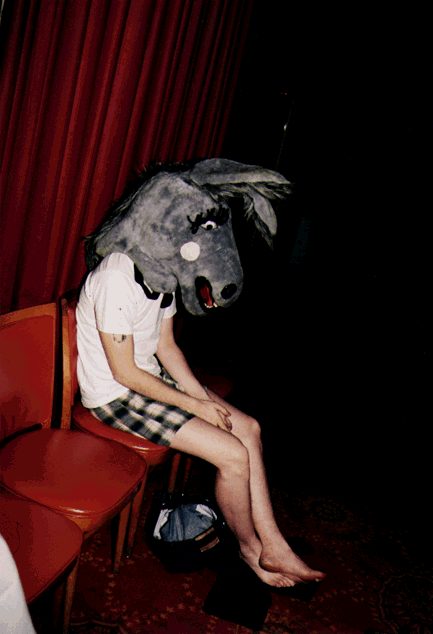
The stuffed grey horse on the cover belonged to their friend Frank, the album's art director.
Title and Cover
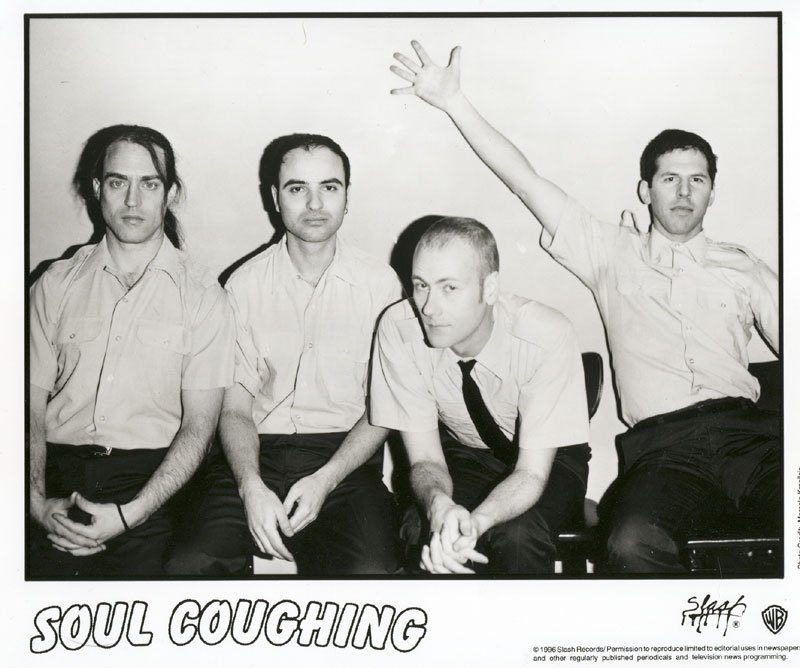
The title riffs on Doughty's favorite Prince song, the B-side "Irresistible Bitch." Doughty described the record's lyrics as anxious love songs, wanting someone to call and dreading the phone ringing, and said that for him the album was more about resistance while for the other three it was more about bliss. The man on the cover is Steinberg.
Release and Singles
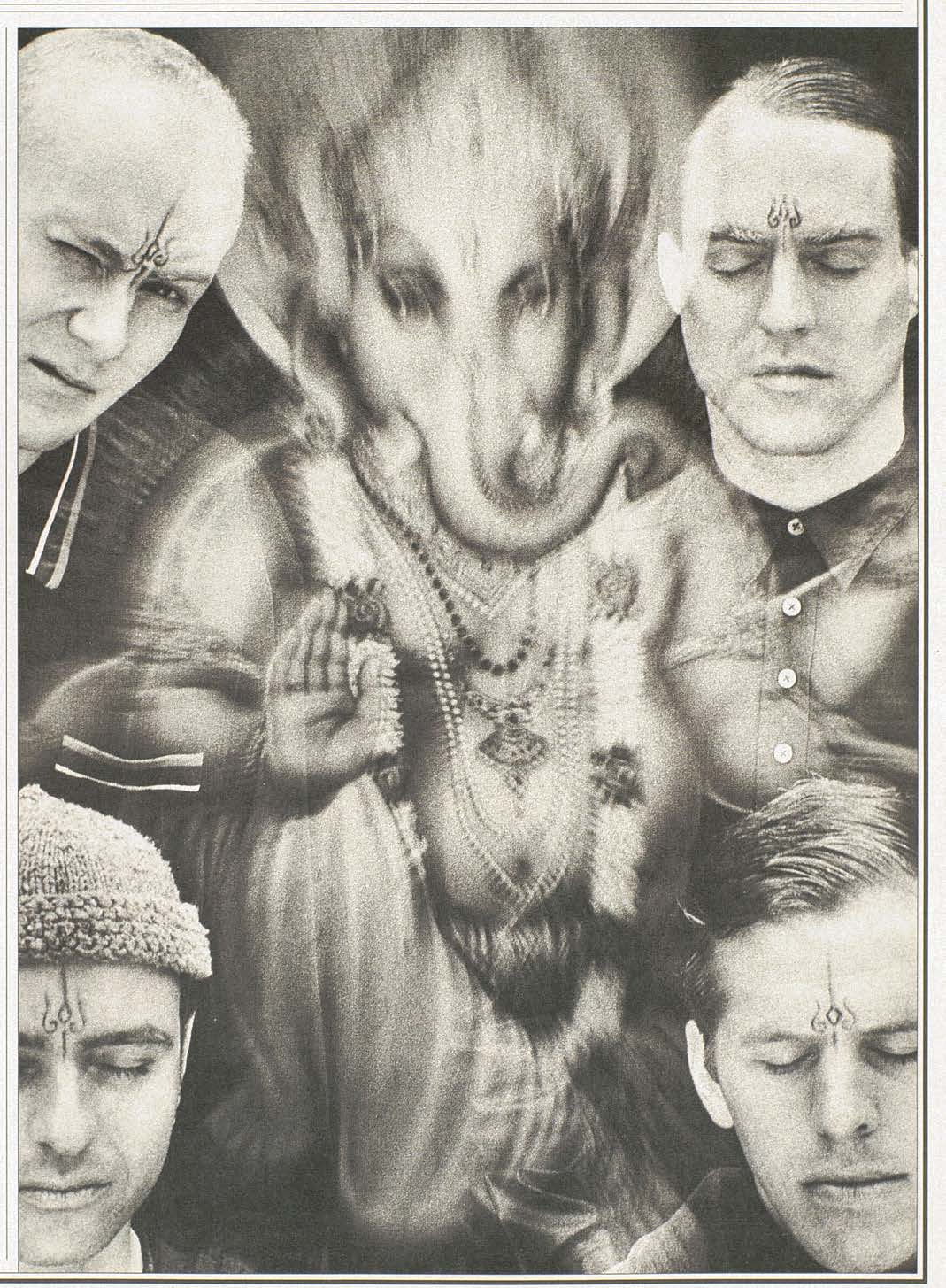
Rolling Stone ran David Sprague's profile in its May 30, 1996 issue, headlined "Soul Coughing hack out a hearty blend of Beat poetry, hip-hop and art rock." Sprague followed the band to Asbury Park, New Jersey, for a one-off warm-up show at the Stone Pony before their European tour, the first time they had played many of the new songs for a crowd. He found Steinberg and Gabay slow to lock into their trance groove. "You got to see us scrape off the first layer of rust," Steinberg said afterward. Doughty, then 25, said the group had wanted to see what a Soul Coughing pop record would sound like, which is why they chose Kahne. Doughty called the band "totally a co-op." He, Gabay and Steinberg lived within a block of each other in Fort Greene, Brooklyn, while degli Antoni had just bought a house in his native San Francisco. Gabay, then 33, said living there meant you always heard the newest music, from subwoofers to dancehall, "without people getting uptight." Steinberg added that he and Gabay had been playing that kind of thing before there was hip-hop. The article put Ruby Vroom at about 70,000 copies by SoundScan and said Irresistible Bliss was recorded in under two weeks, with more tension than they'd expected.8
The release slipped while the label debated pushing "Unmarked Helicopters" from The X-Files compilation as a single. Fox wanted the song on radio and video to sell its soundtrack, so Irresistible Bliss went from May 14 to July 9, and then the video fell through anyway over scheduling with the show's crew. Europe got the album on schedule in May.12 Advance CDs had already gone out with the May 14 date printed on the back, under a line from Doughty: "Soul Coughing is sort of this V.U. meter, with Heartbreak on the left, and Nonsense on the right. The needle twitches from one side to the other, usually."13 Gabay complained to the Houston Press that the label was simply too slow. When it finally landed it reached No. 136 on the Billboard 200.914
A snapshot of where the band stood just before release: MIT's student paper The Tech reported on April 19, 1996 that Soul Coughing would headline the school's Spring Weekend on May 3 at Walker Memorial for a $3,000 flat fee, chosen because that year's budget was smaller than usual (previous headliners included They Might Be Giants and Sonic Youth). A Newbury Comics clerk who had heard an advance copy said Irresistible Bliss was due May 14, about two months before it actually came out, and most students the paper polled had never heard of the band.15
| Single | Year | US Alternative Peak | Video |
|---|---|---|---|
| "Soundtrack to Mary" | 1996 | No. 37 | John Flansburgh and Norwood Cheek |
| "Super Bon Bon" | 1996 | No. 27 | Jamie Caliri |
| "Soft Serve" | 1997 | Did not chart | None listed |
Steinberg told the Philadelphia City Paper that the band was spending the Fourth of July 1996 shooting a video at Roadside America in Pennsylvania, with Flansburgh directing.16
The 1998 press bio claimed the album sold over 250,000 copies. Japanese editions added "Lemon Lime" and "Blow My Only," plus a bonus disc with a Propellerheads remix of "Super Bon Bon" and live tracks.17
Fan reviews from the time, like Stephen Lin's, heard the same shift the band described. Lin found the production cleaner than Ruby Vroom's rawer sound, which made the contrasts between songs more in-your-face, and he heard a harder edge overall, with "Super Bon Bon" swinging from head-nodding groove to near-seizure rock. He singled out the samples (elephants, slowed voices, clarinet ensembles, strings) for working even when they didn't sit exactly in tune with the band, and pointed fans to "Unmarked Helicopters" as an eerie outlier.
"Super Bon Bon" became the band's most durable song. It turned up in ECW wrestling entrances (Danny Doring and Roadkill, 1998 to 2001), Gran Turismo 2 (1999), Homicide: Life on the Street, The Sopranos, The Last Dance and Reacher. "Disseminated" scored a 2006 Ford Transit ad, minus its opening line about a goat digesting a Ford sedan.
Degli Antoni told fans in a March 2000 SCUG chat that "Super Bon Bon" began as a groove of his that Steinberg and Gabay locked onto instantly; Doughty took a couple of days to find words, and for a while it was called "I'm Going to Get Cigarettes." The final title came from a candy bar, which Doughty had acknowledged in writing. In his February 2000 New York Press column "Ricky Don't Lose My Number," he said he spotted a Super Bon Bon bar in a truckstop near the Swiss and Italian border on a European tour and chanted the name all the way to Milan.18 That undercut any claim against Ricky Martin's later "Shake Your Bon-Bon," which the band had considered; Degli Antoni said nothing was ever litigated. He answered it his own way instead: in late 1999 he made the "Desperado Mix" of "Super Bon Bon," folding "Shake Your Bon-Bon" right into it, so anybody could hear the resemblance for themselves. It went up as a download in February 2000 and stirred up enough fuss that it stayed up an extra month.19 Doughty's own take was a shrug: everyone he knew kept calling to tell him Ricky Martin owed him money, but a band their size had no way to take on Sony's lawyers.18 Around the same time an IMAX Michael Jordan film was asking for a hip-hop mix of the song.20
The Crew
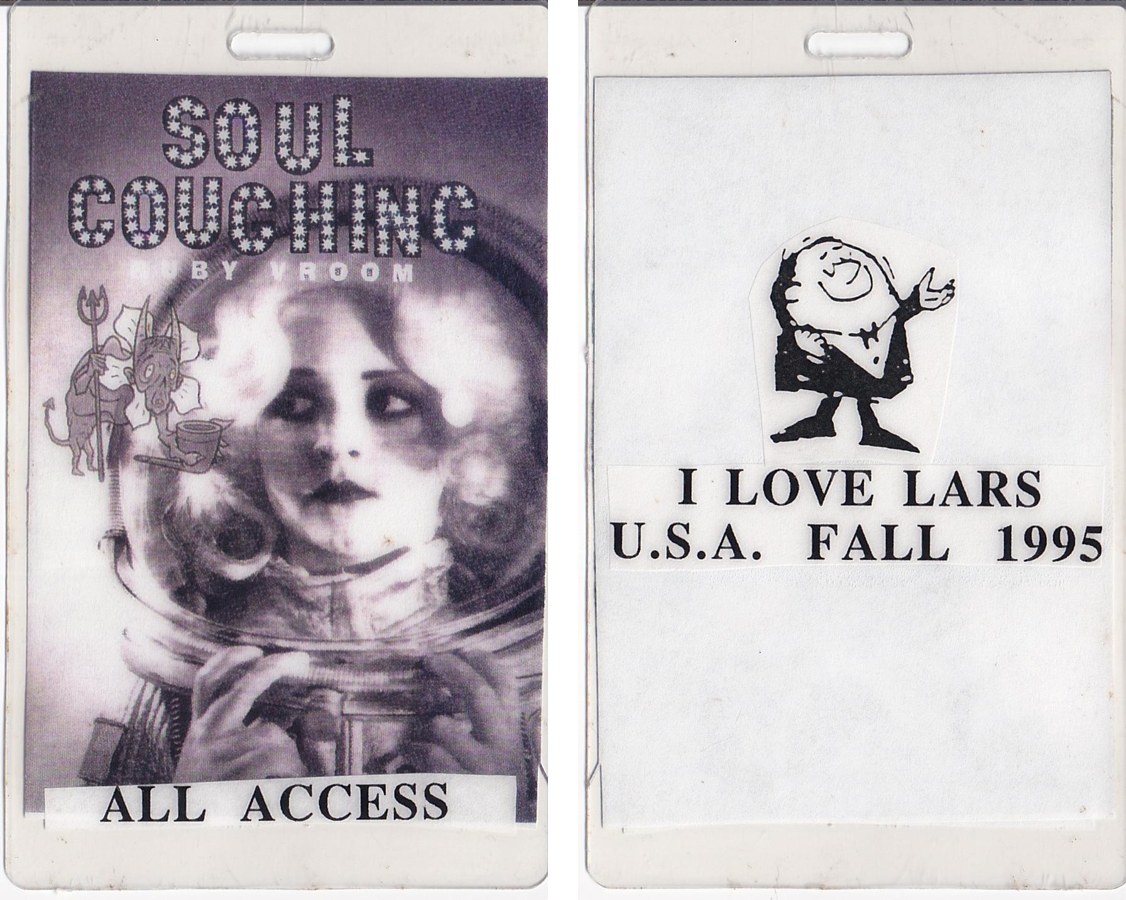
The crew became characters in their own right. Gus Brandt was tour manager for most of the Irresistible Bliss run and famously put Claire Danes on nearly every guest list. She never once showed up. An early video shows Steinberg's amp reading "Claire, call Gus," which tells you how that was going. Front-of-house was Larry "Lars" Smith, a soundman from Baltimore who ran the board until early 1999 and was not to be asked for a tape feed. "Gentleman" Jim Norton was guitar tech; a Seattle-based veteran who had previously teched for the Canadian punk band SNFU, he became the crew's resident storyteller and an opinionated authority on Doughty's guitar parts.
Norton also explained one of the band's private jokes for fans on the AOL board in December 1998. The number seven kept turning up among band members because of a prank-call tape Gus Brandt had found, which the crew called the Marky St. James tape: calls to musicians who had placed want ads in an L.A. music weekly. In one call, a caller flirts with a rock dude's mother while the rock dude is in the shower, and when she asks for his number he just says, "Seven." Brandt, Doughty and Norton recited the tape "with mind-numbing glee on tour practically every day." Steinberg's own answer, in a 1996 survey on the official site, was shorter: "7 is the number of foolishness." Norton signed off as "the former Employee #107."
The Bear Set Lists
Steinberg would sulk until someone drew a bear on his set list, so Doughty started drawing them, and tour manager Brandt took over the habit. Each bear was themed to the city, and Doughty listed favorites in a November 1994 note, including a champagne-glass-shaped weeping bear and a taco-shaped bear. Fans kept stealing the lists, which upset Steinberg. The bears eventually named the third album.
Tapers Welcome
The band was openly relaxed about audience taping and tape trading, at a time when many labels fought it. Fans had two rules:21 don't ask Lars for a line, and watch out for club bouncers who might not share the band's view. That policy is why so many 1990s shows survive today in fan and archive collections. Doughty's own favorite live tape, he said in 1995, was a Dutch national radio broadcast.22
Soundtracks and Side Doors
The band spent these years seeding songs into film and compilation releases, often written fast. Gabay said in 1996 that the soundtrack pieces were sometimes knocked out in a quarter of a rehearsal.
The band also made an interactive piece for Blender's CD-ROM in 1995. Shot in a Manhattan rehearsal studio, it let viewers click around the band, read a poem by Alan Dugan, and choose between clips of the "Down to This" and "Screenwriters Blues" videos, all with plenty of band sarcasm about CD-ROM owners.
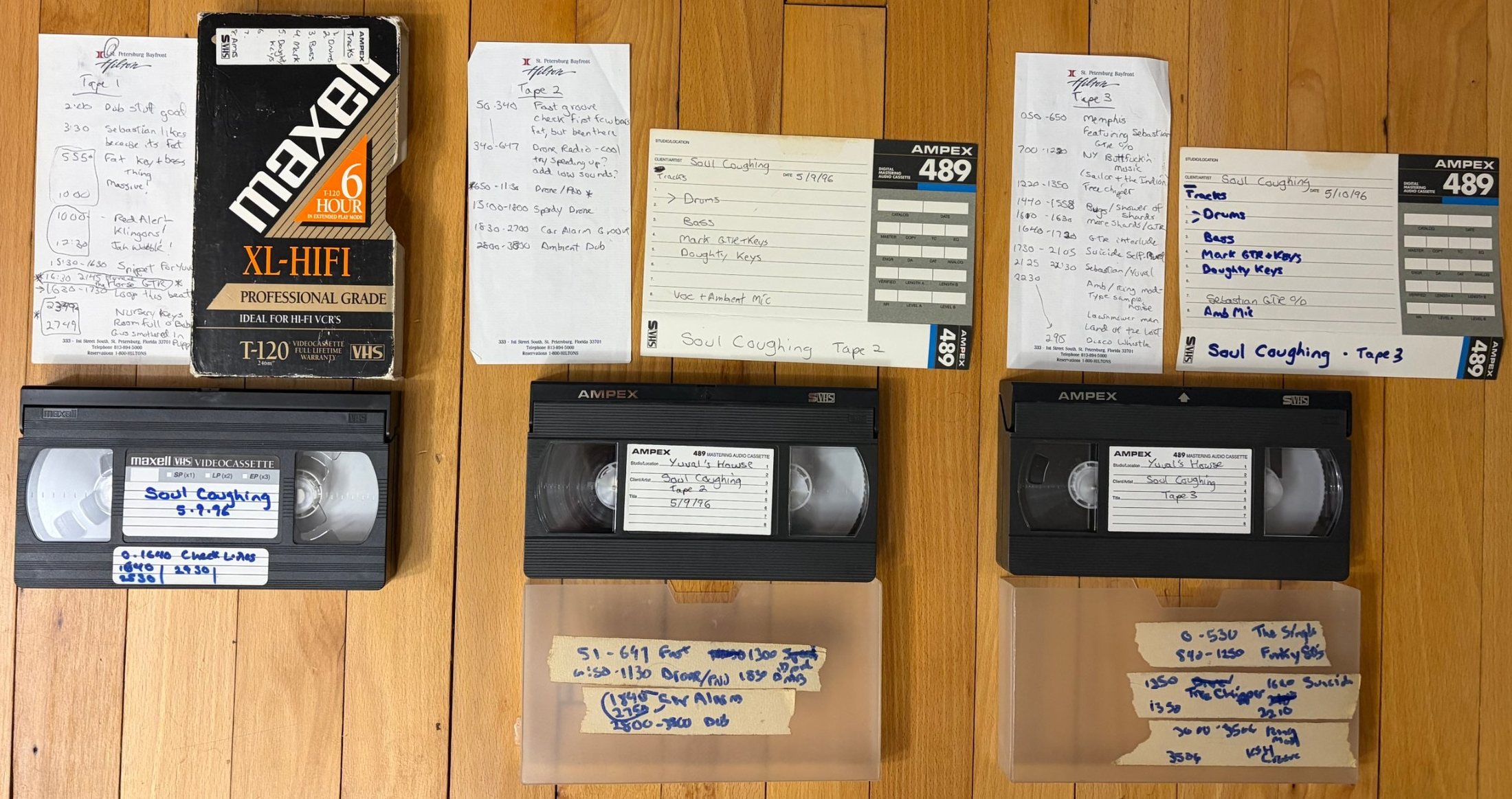
- "Is Chicago, Is Not Chicago" in Tommy Boy (1995)
- A track for Wayne Wang's Blue in the Face soundtrack (1995, Luaka Bop)
- "Unmarked Helicopters" on Songs in the Key of X: Music from and Inspired by The X-Files (1996), produced by Steve Fisk; Contemporary Musicians says X-Files creator Chris Carter counted them among his favorites23
- Offbeat: A Red Hot Soundtrip, the Red Hot Organization's 1996 AIDS benefit
- An EP for John Flansburgh's subscription-only Hello CD of the Month Club (June 1996), including "Sack Full of Puppies" and "My Ass Is in the Bronx." A Spin ad that July sold the 1996 series at ten EPs for $47 and listed Soul Coughing alongside Gordon Gano, Will Rigby and John Linnell.2425
They were also early adopters online. Contemporary Musicians notes the band posted tour diaries on America Online as early as 1994 and printed their web and email addresses on their albums.23
Minneapolis
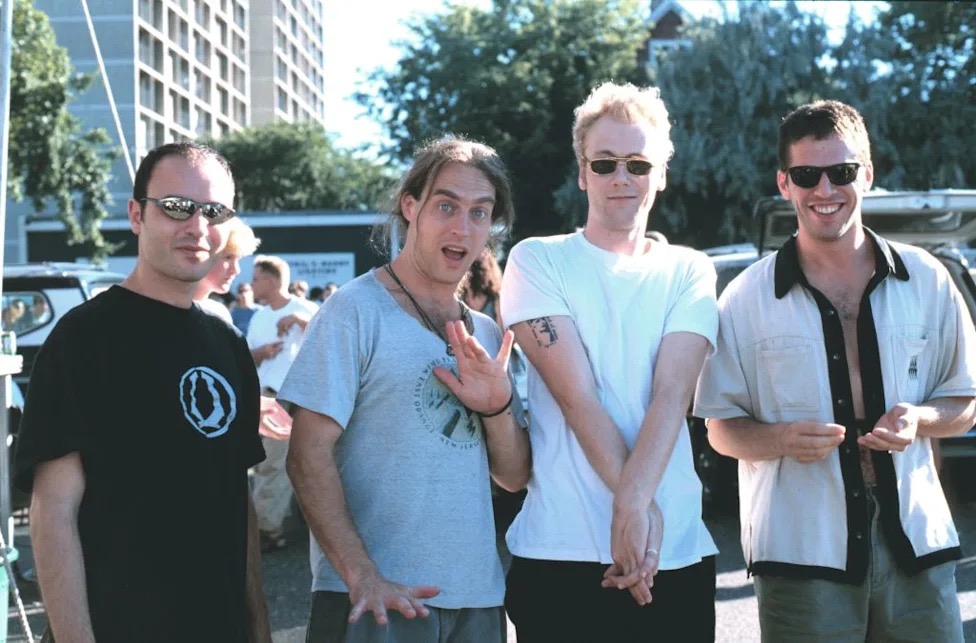
Thanks to heavy support from alternative station Rev 105, Minneapolis became the band's second home. The Star Tribune reported they regularly drew five to ten times the crowds there that they drew elsewhere, and First Avenue later gave them a star on its exterior wall, one of the city's top musical honors.26
Fans on the newsgroup later traced that support to one person: Rev 105's program director, who had met Doughty at a New York poetry reading a year or two before Ruby Vroom and got the station playing "True Dreams of Wichita" early. The band repaid the loyalty. They dropped into the station for in-studio versions of "White Girl," "Lazybones" and "Down to This," headlined Rev's free Cedarfest street festival on August 20, 1995 over a bill that included G. Love and Special Sauce and Spearhead, and celebrated Irresistible Bliss with a free in-store at Let It Be Records on July 8, 1996, where the album went on sale at midnight after the set. Before a later Minneapolis show, Doughty told fans in the local paper to bring Rev 105 bumper stickers and slap them on a rival station's promo van; onstage, the call-and-response "peanut butter" chant turned into a chant of "Rev 105." When the station went off the air, the fans took it personally. Doughty talked about it on MTV News in summer 1998. He said Rev 105 was a very different kind of station that played Shudder to Think alongside Soul Coughing, that Minnesota felt like "Rockstar land" to them, and that the owner had sold it to a bigger alternative outlet. He wished radio worked more like the web, where anyone can micro-broadcast. He also pointed to a Radio Diversity album tied to the station, with Ani DiFranco, Ben Folds and Low, who were covering a Soul Coughing song.27
The Mosh-Pit Lectures
The band's live shows had a running gag that was only half a gag: Doughty stopping the music to scold moshers. Fans on the newsgroup collected the lines. "Please, no moshing. At Foo Fighters yes, but here no," followed by a lecture on focus. "You are not in a VFW hall in Albany, New York. Stop the moshing. Moshing comes from a Sanskrit word meaning calisthenics for suckers." The bit was good enough for TV: on MTV News in summer 1998, Doughty opened with two requests for rock fans, stop the moshing ("it is not 1985") and stop the irony, meaning the smirking habit of listening to music you claim not to like. At Chicago's Aragon Ballroom in 1999 he halted "Rolling" to tell the pit it would be getting no sex that night, and at a Portland arena show he announced that anyone who had come to fight was not friends with Soul Coughing. Longtime fans said the early versions were stricter: a full stop, the band silent, waiting until the room calmed down. In Salt Lake City, at radio station X96's Big Ass Show, he stopped "Bus to Beelzebub" mid-song to do it again.2827
Another ritual came from the crowd. Starting in late 1996, fans began chanting "Slowdog" at shows, a running joke that spread from coast to coast on the newsgroup. By March 1997 Doughty was in on it, announcing at the Knitting Factory that it was "required by law that we play one for Slowdog."27
1996 and 1997 on the Road
Firewater, Tod A.'s band after Cop Shoot Cop, opened dates on the winter 1997 run. Gabay was part of Firewater as a side project, having met Tod on the band's first tour, but he told Orange Source he wasn't playing with them on those dates.29 Musician's January 1997 notice of Firewater's debut, Get Off the Cross (We Need the Wood for the Fire) (Jetset, October 1996), listed him among the "day job" players behind Tod A., next to Duane Denison of the Jesus Lizard.30
The band played the second stage on the southern leg of Lollapalooza 1996, booking extra headline dates to reach cities the festival skipped, then joined the 1997 H.O.R.D.E. tour with Neil Young and Crazy Horse, Beck and Morphine. Contemporary Musicians says the New York H.O.R.D.E. date was webcast live by SonicNet, one of the first concert broadcasts online. They had streamed a show before that: on April 30, 1996 they played two sets live over the Internet with RealAudio, at RealAudio's first-anniversary party during the Internet World convention in San Jose, carried through the band's page on Warner's site.31 Their first appearance on MTV's 120 Minutes, hosted by Matt Pinfield, came in January 1997 (the show lists it as January 27). Asked about the upright bass and the jazz in the music, Steinberg said the New York subway was about as big an influence as jazz. Asked if he had ever played in the subway, he said no: he just wanted to be the subway, and bass was the next best thing. In 1997 they also appeared on HBO's Reverb, played "Super Bon Bon" live in the studio for Howard Stern, placed "The Bug" on the Batman & Robin soundtrack, and paired with Roni Size on "A Plane Scraped Its Belly on a Sooty Yellow Moon" for Spawn.2332
That June they also took a commercial gig, scoring the Gap's "Fall Into the Gap" TV ads, which ran that fall (here's one). They did not do it halfway. The final mixes DAT holds three pieces, each about 30 seconds long, cut 32 different ways: straight music, a bass tag, a Doughty tag, a "true Doughty tag," a "Doughty special tag," rap with no percussion, rap with no effects, rap only. Somebody at the agency really wanted options. By September, "Fall Into the Gap" was on the newsgroup's list of songs going around on tape.27
On the side, Doughty sang "Bond" on 808 State's Don Solaris, had four poems on the spoken word album PoemFone: New Word Order, and wrote a piece for Might magazine that drew enough response for the editors to offer him a column. Steinberg and Gabay recorded with Suzanne Vega and joined Marc Ribot in a project called People Who Only Need a Beat; Gabay also drummed on "Careless Santa" from Mono Puff's Unsupervised, and Steinberg played on Cibo Matto's "Birthday Cake." Degli Antoni was at work on a CD for John Zorn's new label.12 Doughty also recorded the solo acoustic album Skittish on July 5, 1996; Warner Bros. passed on it, and it would not come out until 2000.
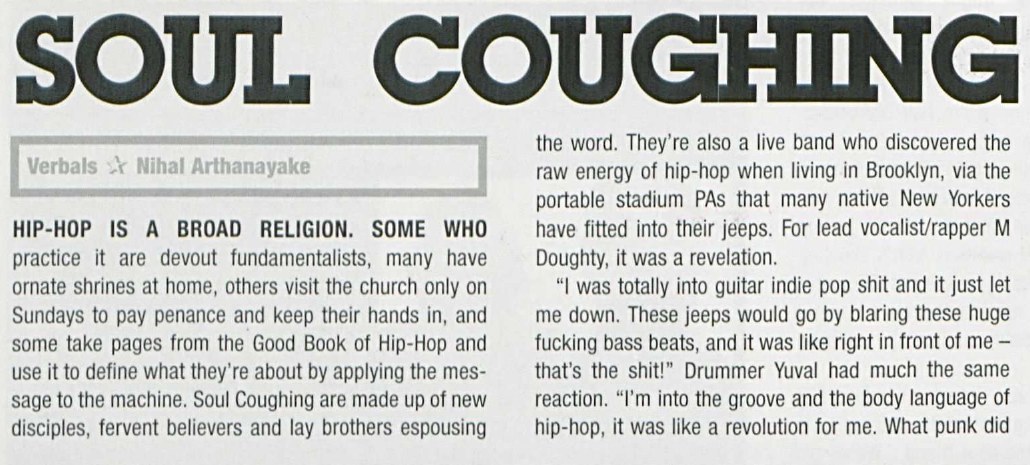
Hip Hop Connection, the UK hip-hop monthly, gave the band a page in 1997. Nihal Arthanayake asked Doughty and Gabay where the hip-hop came from. Doughty said he had been "totally into guitar indie pop" until the jeeps in Brooklyn started rolling by with huge bass beats coming out of them, and that for a while he "basically gave up on everything but hip-hop." Gabay said it was a revolution for him, and that "what punk did for rock music, hip-hop did for everybody. It just flipped my head."
Steve Keene
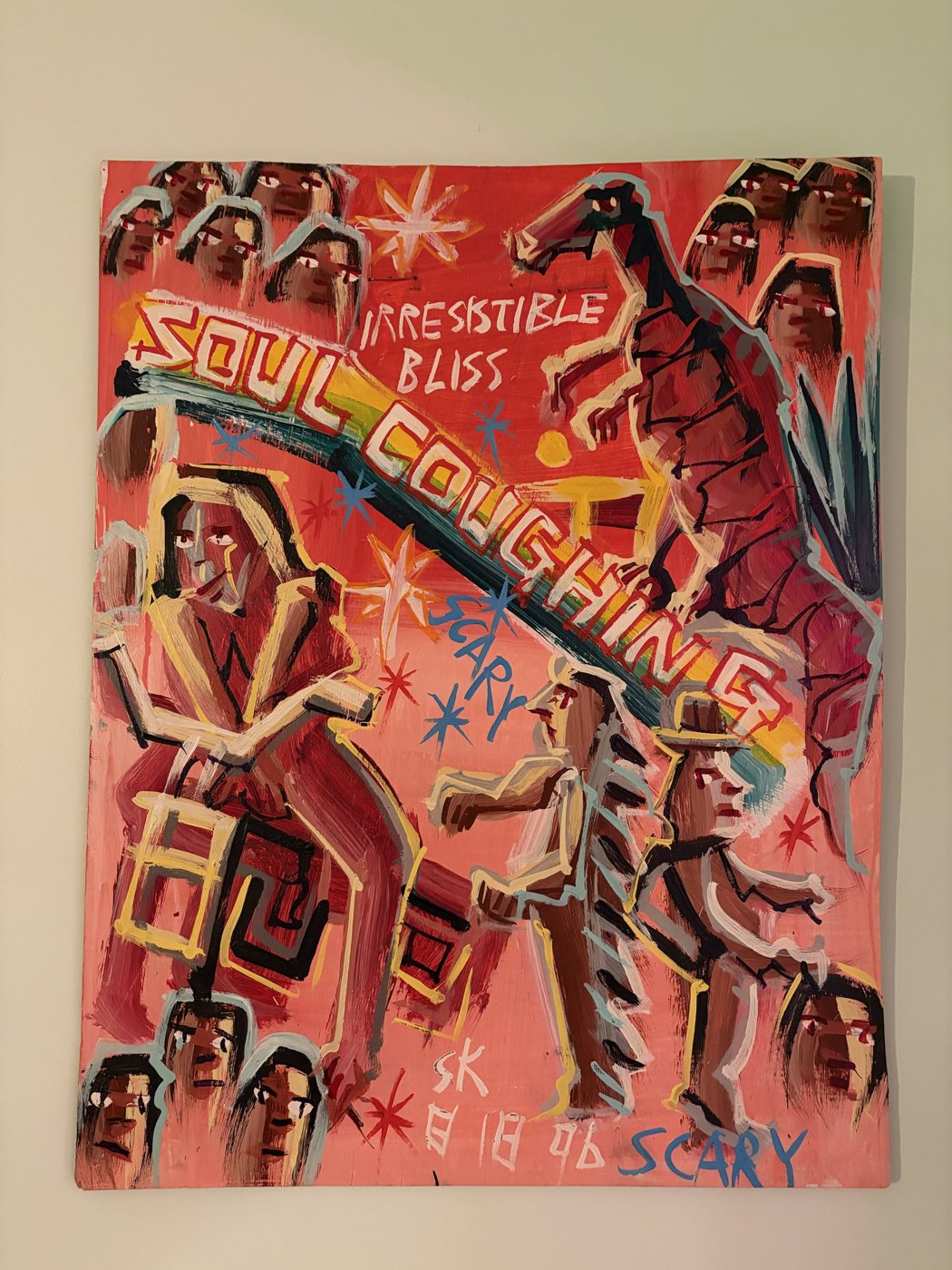
Steve Keene, the prolific New York painter, painted all of the band's tour road cases, around 1996 as the Irresistible Bliss tours got going. He also made a few one-off paintings with Soul Coughing back then.
Life on the Bliss Tour
Press from the fall 1996 run shows a band that had stopped being a New York secret. Steinberg told The Virginian-Pilot that October that Irresistible Bliss "reflects the fact that the band spent the past 18 months in vans just driving around playing," and that he was "not in the business of describing it, I'm in the business of making it." On the jump from clubs to arenas opening for Dave Matthews, including the December 30, 1995 show at Hampton Coliseum: "Five hundred people is a lot in a club. In a coliseum, it amounts to the janitorial staff." The same piece traced "Screenwriter's Blues" back to a keyboard loop and "The Idiot Kings" to four guitar chords, and recalled the band silencing an industry crowd at a Los Angeles showcase with "Screenwriter's Blues."33
A Harvard Crimson reviewer at the Paradise in Boston that fall, after the band's Fleet Center dates with Matthews, counted a set of nearly two hours and called degli Antoni's sampling the most riveting thing on stage, "a genuinely original band that plays better live than on tape." In Austin, where they played Liberty Lunch on November 2, 1996, the Chronicle led with Doughty's Beverly Hills, 90210 habit: he called himself one of the world experts on Tiffani-Amber Thiessen, said he aspired to a genre called "90210 Rock" after seeing the Goo Goo Dolls on the show, and admitted the joke had turned into "this great marketing angle." Rumor had it Jennie Garth owned both albums.3435
Fans filled in the rest. At Liberty Hall in Lawrence, Kansas, on February 19, 1997, it was Steinberg's birthday, and Doughty narrated a mock biography between songs ("Sebastian Steinberg was born in 1905... Sebastian Steinberg was the first man in space") before a cake came out and the room sang. The same night the band was already trying out "I Miss the Girl" and the song with the refrain "let me get up on it," both of which would land on El Oso a year and a half later. That September, a fan on the newsgroup tallied a top-ten poll of 30 voters: "True Dreams of Wichita" edged "Down to This" on first-place votes, followed by "The Idiot Kings," "Super Bon Bon" and "Screenwriter's Blues." The full list of 52 titles is a snapshot of what was circulating on tape in 1997, including unreleased songs like "The Brooklynites," "Fall Into the Gap," "Michael Jackson," "Gotta Get Right With This," "Amy Fisher (I'm Livin' on Baby Food)" and "Thank You F Train."27
Doughty had his own rituals on those tours. He would get the whole room to yell their zodiac signs at once ("Everybody yell your zodiac sign!"), and when he introduced the band, degli Antoni was "Mark on the Heisenberg compensator."
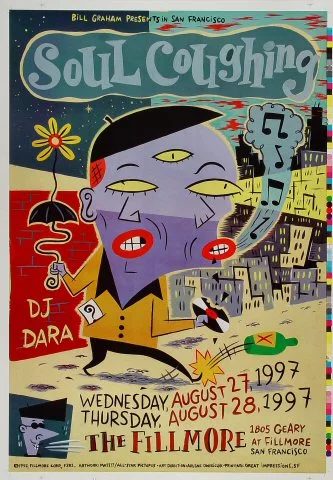
By the end of 1997 the band had played Lollapalooza's second stage, the Fleet Center with Dave Matthews, the H.O.R.D.E. tour with Neil Young and two August nights at the Fillmore. Tapes of songs nobody had released kept circulating, and the set lists were already making room for the next record. Irresistible Bliss had been tracked live in a matter of weeks, mostly with one producer, David Kahne. The follow-up would take three producers and a very different idea of what a Soul Coughing record should sound like.
-
Achy Obejas, "Yuval Gabay stirs Soul Coughing's cauldron," Chicago Tribune, September 22, 1995, p. F2. ↩︎
-
Jeff Giles, "20 Years Ago: Soul Coughing Start to Come Apart With Irresistible Bliss," Diffuser, July 9, 2016. ↩︎
-
Irresistible Bliss Japanese edition booklet, London/PolyGram POCD-1222, 1996: credits, lyrics, and liner notes by Toru Watanabe, April 1996; shared by @osoarchive. ↩︎
-
Mike Doughty, The Book of Drugs, Da Capo, 2012, pp. 77 to 79. Doughty calls the producer "Saul Mongolia" and refers to his bandmates by instrument. ↩︎
-
Allen Sculley, "Redefining Pop: Soul Coughing Lets the Drums and Bass Lead," St. Louis Post-Dispatch, February 20, 1997, p. 12. ↩︎
-
M. Doughty, tour Dispatches #1 to #4, AOL, November 1994 to February 1995. ↩︎
-
"Book lets you rave on, evermore," Alternative Press column, Friday! magazine, The Plain Dealer (Cleveland), January 5, 1996, p. 2. ↩︎
-
"Soul Men," Houston Press, July 1996. ↩︎↩︎
-
Mark degli Antoni, interview with SCUG, 1996. ↩︎
-
Warner Bros. Cyber-Talk with Doughty, Lyon, September 16, 1996. ↩︎
-
"News" and "What's New," The 5% Nation, March to October 1996, via the Wayback Machine. ↩︎↩︎
-
Irresistible Bliss advance CD, Slash/Warner Bros. 2-46175-A, promotion only, 1996. ↩︎
-
Billboard. ↩︎
-
The Tech (MIT), on the Spring Weekend show, April 19, 1996. ↩︎
-
Margit Detweiler, "20 Questions: Sebastian Steinberg of Soul Coughing," Philadelphia City Paper, July 4, 1996. ↩︎
-
Soul Coughing, El Oso press biography, Slash/Warner Bros., 1998. ↩︎
-
M. Doughty, "Ricky Don't Lose My Number," New York Press, vol. 13 no. 7, February 2000. ↩︎↩︎
-
"The News," The 5% Nation (soulcoughing.com), July 1999 to March 2000, via the Wayback Machine. ↩︎
-
SCUG chat with Mark degli Antoni, March 3, 2000. ↩︎
-
Soul Coughing FAQ, version 2.0, SCUG, May 2000. ↩︎
-
Opus Moreschi, email interview with M. Doughty, spring 1995, for "The Original Alterna-Hip-Hop-Jazz-Rock-Funk-Indie-Dada-Beat Poetry Group," The Correspondent (Capital Community-Technical College), vol. 12 no. 1, October 1995; full answers posted on The 5% Nation. ↩︎
-
"Soul Coughing," Contemporary Musicians, Gale, c. 1998, via Encyclopedia.com. ↩︎↩︎↩︎
-
Hello '96 CD of the Month Club ad, Spin, July 1, 1996, p. 97. ↩︎
-
Spin. ↩︎
-
Star Tribune, Minneapolis. ↩︎
-
alt.music.soulcoughing newsgroup, 1996 to 2013, via UsenetArchives.com. ↩︎↩︎↩︎↩︎↩︎
-
Ryan Bradford, "Is This Band Good? Soul Coughing", AwkwardSD (February 25, 2021). ↩︎
-
Sue Markert, "We Call It Soul Coughing," interview with Yuval Gabay, Orange Source, Syracuse University, March 3, 1997 (posted March 31, 1997). ↩︎
-
Robert L. Doerschuk, Firewater notice, Musician, January 1997, p. 15. ↩︎
-
PR Newswire, "Soul Coughing Concert to Be Broadcast Live over Internet Using RealAudio," April 24, 1996. ↩︎
-
SonicNet chat with Doughty and degli Antoni, September 12, 1995, and SonicNet show coverage. ↩︎
-
"Evolving Soul Coughing Can't Be Pigeonholed," The Virginian-Pilot, October 18, 1996. ↩︎
-
Paradise Rock Club review, The Harvard Crimson, October 24, 1996. ↩︎
-
"Roadkill," The Austin Chronicle, November 1, 1996. ↩︎